Understanding Synthetic Lethality in Genetics and Cancer Research
Introduction:
An American geneticist, Calvin Bridges, first described the phenomenon of synthetic lethality in the early 20th century, particularly in Drosophila melanogaster.
Later, Theodore Dobzhansky extended this observation to Drosophila pseudoobscura, coining the term "synthetic lethality." This concept has since found applications in cancer research, revolutionizing personalized medicine.
Synthetic Lethality in Genetics:
Observations: Bridges noted non-allelic Genes in Drosophila melanogaster that were lethal in combination but allowed homozygous parents to survive.
Terminology: "Synthetic" refers to the fusion of two units to create something new.
Application in Cancer Research:
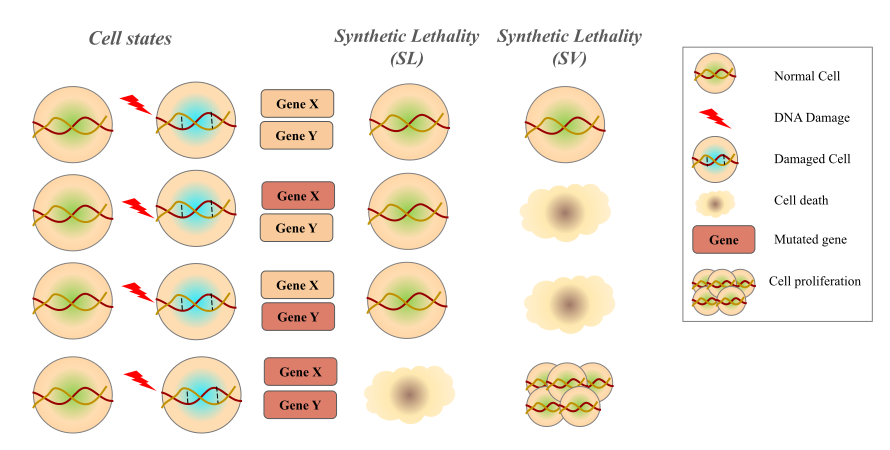
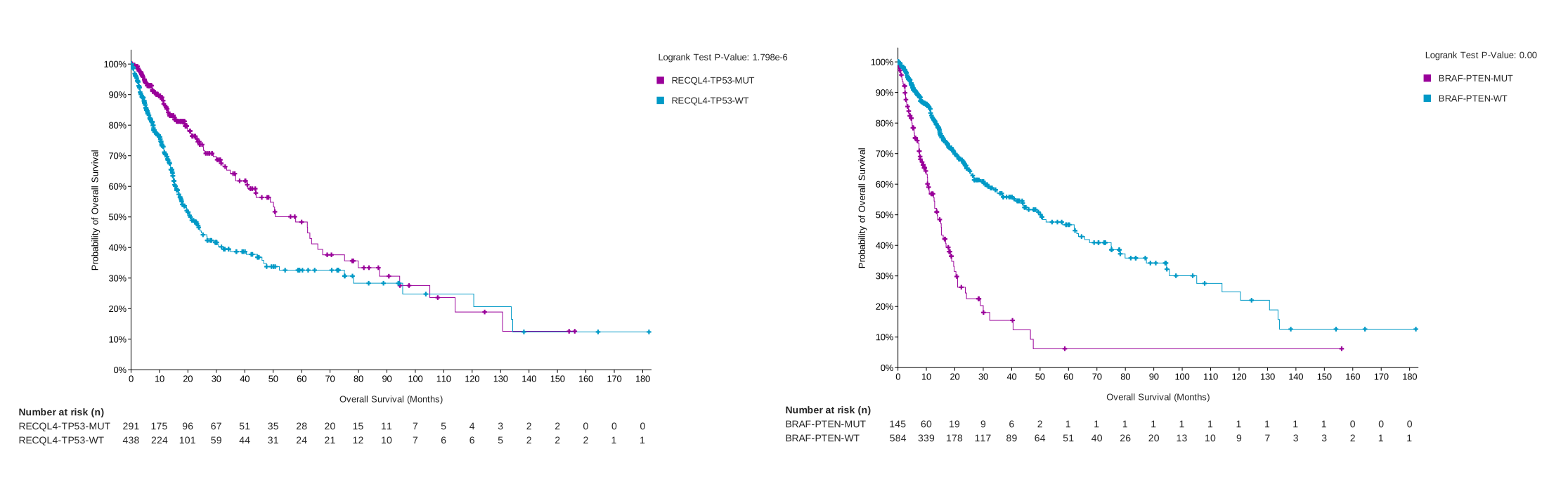
Definition: Synthetic lethality (SL) in cancer research refers to a genetic interaction where inhibiting either of two genes does not affect cell survival individually. However, inhibiting both genes results in cell lethality.
Additional Concept: Synthetic viability (SV) is a related genetic interaction where inhibiting one gene makes the cell sick, but inhibiting the partner gene rescues the effect, leading to cell viability.
Clinical Implications: SLs aid in personalized medicine by utilizing transcriptomic profiles to identify new selective drug targets.
SVs help anticipate drug resistance in cancer patients.
Significance of Large-Scale Tumor Data:
Potential Achievements: Large-scale tumor data enables advanced analysis of genetic interactions.
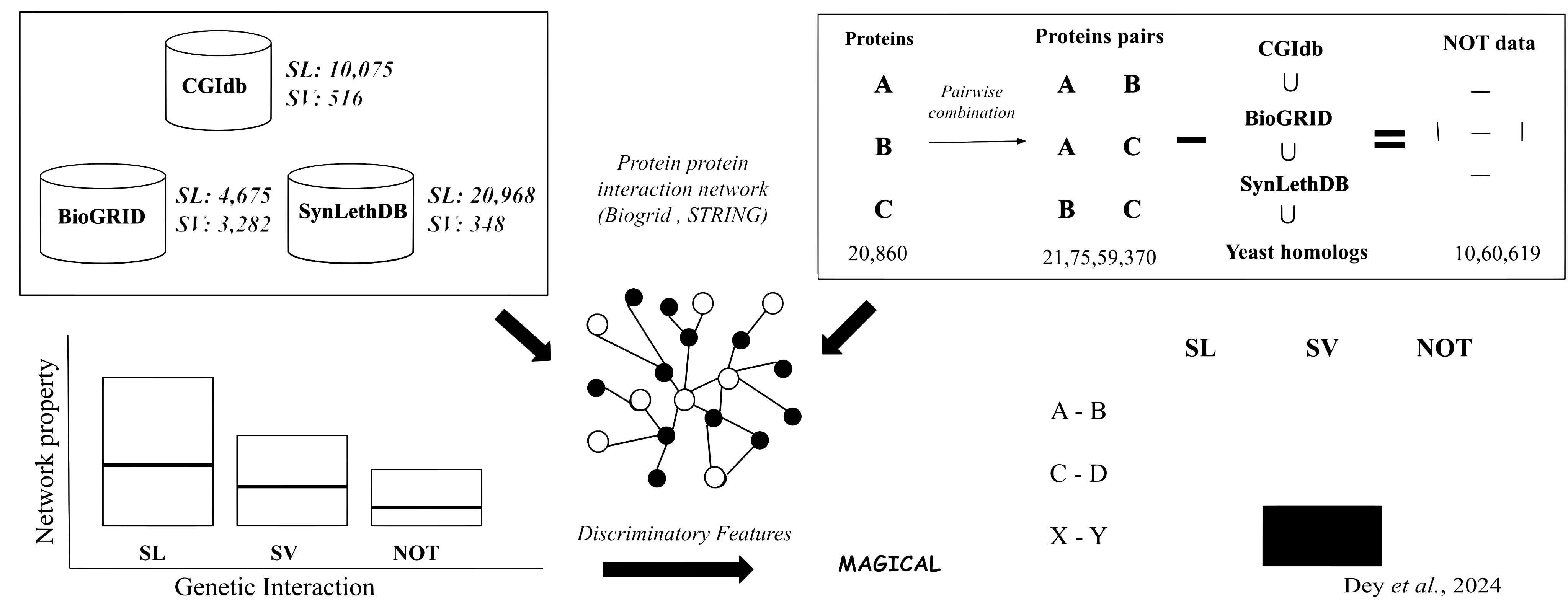
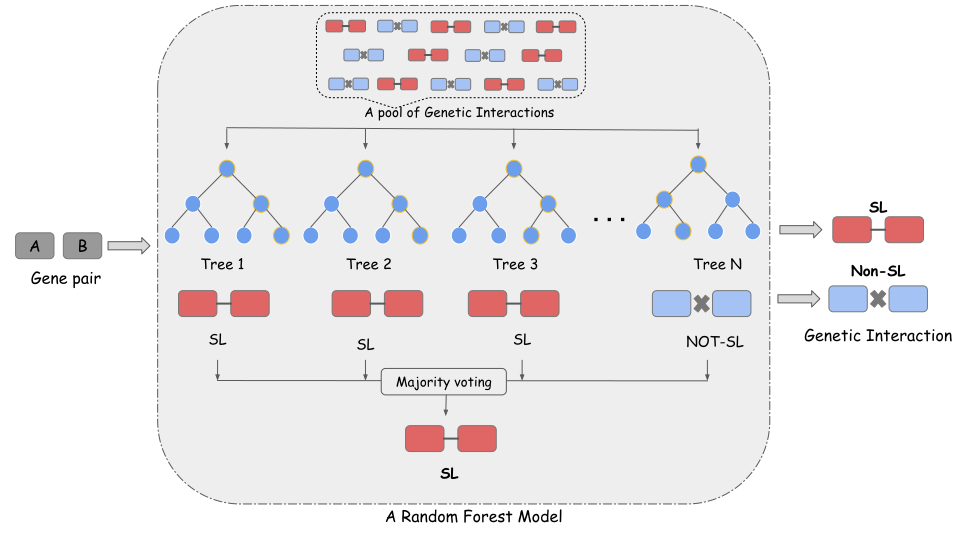
Model Development: The introduction of a multi-classifier model allows the identification of different classes of genetic interactions and predicts whether a gene pair constitutes a genetic interaction.
Novelty and Uniqueness:
Study Innovation: The application of a multi-class model for predicting genetic interactions is novel and unique.
Model Accuracy: The developed model outperforms other classifiers, showcasing its effectiveness in predicting genetic interactions.
Conclusion:
Understanding synthetic lethality opens avenues for advanced personalized medicine in cancer treatment.
The novel multi-classifier model enhances our ability to predict genetic interactions accurately, contributing to the ongoing progress in cancer research.